8.2.7 Tracking pay scale for gender equity
Monitoring the Wage Scale for Gender Equality at Boğaziçi University
Law No. 657 on Civil Servants regulates the conditions of service, qualifications, appointment, training, advancement, promotion, duties, rights, obligations, responsibilities, salaries, allowances and other personal matters of civil servants. In the public sector, salaries are determined according to titles and grades and include an equal pay policy without gender discrimination. Therefore, body measurements or similar monitoring methods are not used to ensure gender equality in the university's pay scale.
For detailed information, you can review the links below:
2024 Sustainability Report SDG-8 (Related Section)
Monitoring Gender Equality in the Wage Scale
The salary calculations of academic and administrative staff at Boğaziçi University are made in accordance with the provisions of the Civil Servants Law No. 657, Higher Education Personnel Law No. 2914 and Labour Law No. 4857, and full gender equality is ensured in wage scales. Salary payments are calculated, recorded and monitored by the Accounting Branch Directorate of the Personnel Department.
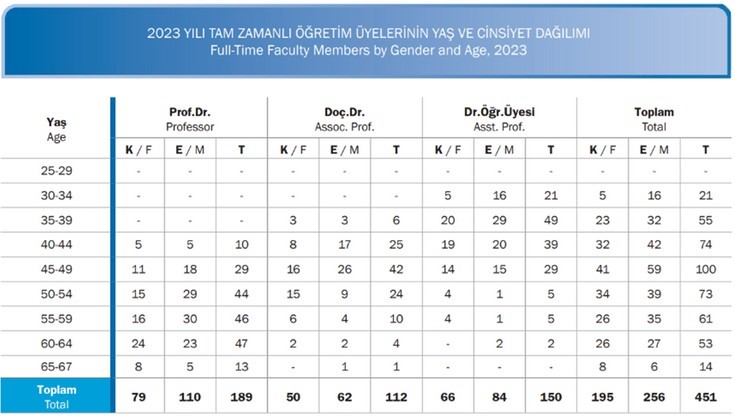
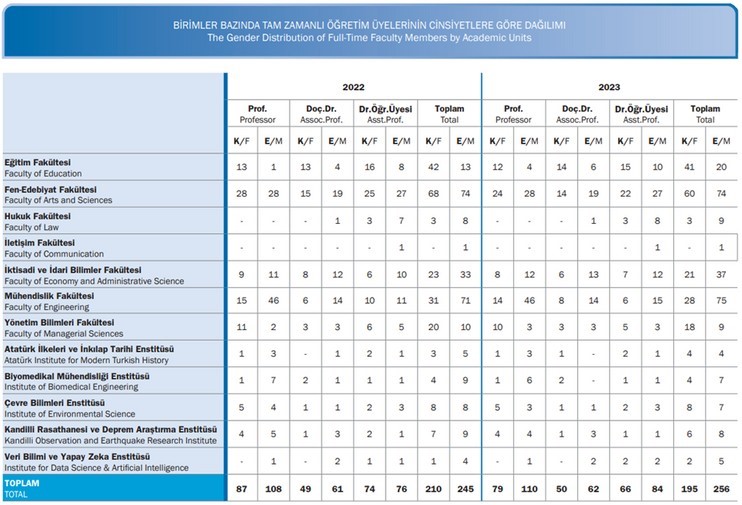
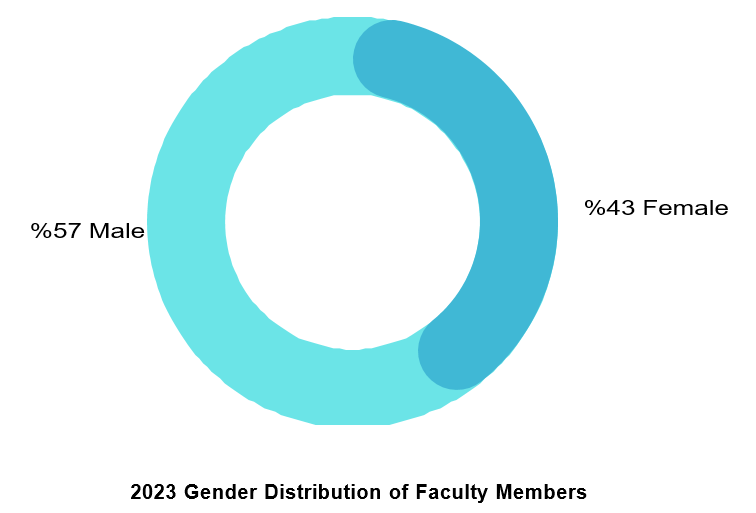
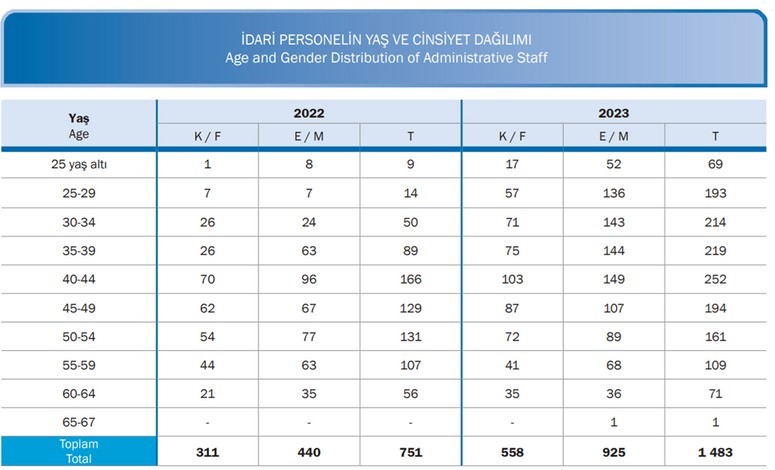
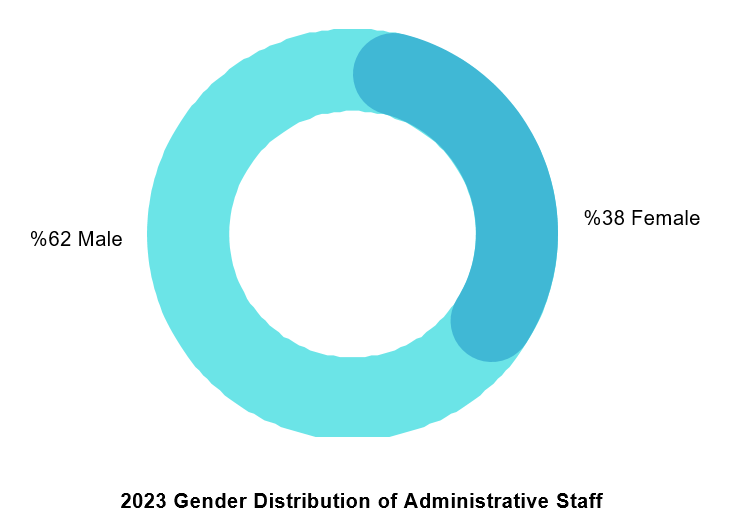
Boğaziçi University ensures that male and female employees are paid equal wages for work of equal value and develops policies that take into account gender balance in all academic and administrative positions. To this end, statistics of the personnel in all departments based on position and gender are compiled and published annually in the ‘Boğaziçi University in Numbers’ report. In the Boğaziçi University Gender Equality Plan for 2023, gender-sensitive recruitment and promotion targets and the activities planned to be implemented by the Personnel Department Commissions in the short, medium and long term have been determined.
Gender Sensitive Recruitment and Promotion Targets and Planned Activities
Gender Responsive Labour Intake and Promotion Targets and Planned Activities | ||
Targets | Activities | Term |
1. Social Developing Gender Sensitive Recruitment and Promotion Processes | a. All academic ensuring gender balance in recruitment and promotion committees | Short Term |
b. Recruitment on unconscious bias for members of committees and administrative staff organise trainings | Middle Period | |
c. Promotions guarantees equal opportunities and takes gender equality into account to create a policy that includes | Middle Period | |
d. All academic and administrative job advertisements free of sexism or implicit bias standardise institutionally | Middle Period | |
e. Young woman a mentoring programme for academics and researchers | Long Term | |
2. Women Policy to Eliminate Underrepresentation in Institutes and Faculties and Implement Procedures | a. Inadequate leadership of the represented groups on boards, committees and in the Senate to encourage them to participate in their positions | Short Term |
b. All gender-sensitive to ensure gender balance in positions to create promotion guidelines | Middle Period | |
c. Every in order to ensure gender balance in the position observing and implementing promotion rules that take into account sensitivity | Long Term | |
Decent work and economic growth
Promote, sustained, inclusive and sustainable economic growth, full and productive employment and decent work for all.