13.2.1 Low-carbon energy tracking
Low Carbon Energy Tracking at Boğaziçi University
Boğaziçi University meticulously monitors the use of low-carbon energy throughout the campus and takes important steps in this regard. In line with its environmental sustainability goals, our university aims to reduce its carbon footprint by effectively utilising renewable energy resources.
Our university realises low-carbon energy production with a Wind Power Plant with a peak power capacity of 940 kW and distributed photovoltaic (PV) systems totalling 100 kW. These systems are monitored and reported annually through a SCADA system. The wind power plant generates an average of 1.6 million kWh of energy per year, while the PV systems provide 50,000 kWh of energy. These installations provide an effective tool to monitor low-carbon energy use and contribute to the university's environmental sustainability efforts.
In addition, Boğaziçi University has entered into agreements to purchase electricity from renewable energy certified energy supply companies at the South, North and Kandilli campuses. Under this agreement, approximately 10 million kWh of energy will be supplied from Green Certified sources annually through 2024. This important step demonstrates our university's commitment to fulfil its environmental responsibility.
According to the calculations made, with the use of this green energy, approximately 5904 tonnes of carbon emissions will be prevented in 2024. This will have an impact on nature as if 14,365 trees were planted annually. By using sustainable energy, Boğaziçi University fulfils its environmental responsibility and aims to raise environmental awareness on a national scale.
In addition, the carbon footprint of campus buildings is assessed in the light of WBSCSD/WRI Greenhouse Gas Protocol, IPCC 4th Assessment Report, ISO 14064, and BSI PAS 2050 standards. Carbon emissions are categorised into Scope 1, 2 and 3 classes, taking into account the consumption of electricity, natural gas, water and paper, as well as the fuel consumption of university members due to transport.
Energy Source |
Low Carbon Energy Tracking (kWh) |
Wind Power Plant | 1,600,000 |
Photovoltaic (PV) Systems | 50,000 |
Green Energy Certified Source | 10,400,000 |
2024 Total (kWh) | 12,050,000 |
You can find more information about Boğaziçi University's sustainable energy use and efforts to reduce its carbon footprint at the links below:
- Boğaziçi University Environmental Sustainability Report
- Sustainable Green Campus Practices
- Boğaziçi University Campus Green Campus Success Stories
2024 Sustainability Report SDG-13 (Related Section)
Low Carbon Energy Tracking on Campuses
In line with its environmental sustainability goals, Boğaziçi University actively pursues the use of low-carbon energy throughout the campus and takes decisive steps in this field. As part of its efforts to reduce its carbon footprint, the University makes effective use of renewable energy sources.
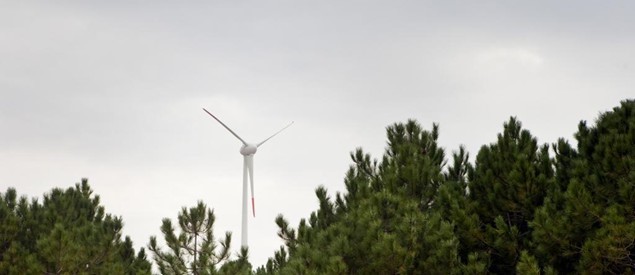
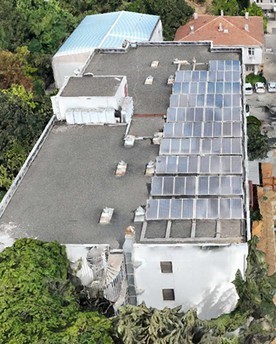
In order to ensure low-carbon energy production on campus, a Wind Power Plant with a peak power of 940 kW and distributed photovoltaic (PV) systems with a total capacity of 100 kW have been installed. These systems are monitored and reported annually through the SCADA system; the wind power plant produces an average of
1.6 million kWh of energy per year and the PV systems produce approximately 50,000 kWh of energy. These facilities make a significant contribution to the university's low-carbon energy use targets and environmental sustainability efforts.
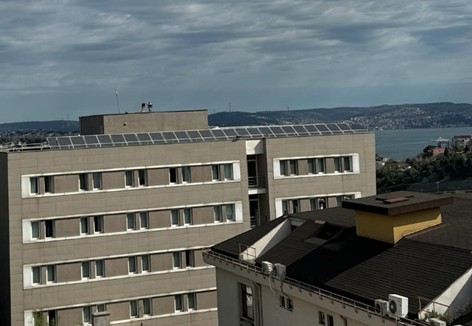
Low Carbon Energy Tracking on Campuses
In addition, agreements have been made to procure electricity from renewable energy certified suppliers at Boğaziçi University South, North and Kandilli campuses. In this framework, approximately 12 million kWh of energy will be supplied from Green Energy Certified sources throughout 2024. Thanks to this green energy use, approximately 5,904 tonnes of carbon emissions will be prevented in 2024, and this effect will contribute to nature as if 14,365 trees were planted annually. Boğaziçi University fulfils its environmental responsibility by using sustainable energy and at the same time aims to raise environmental awareness on a national scale.
The carbon footprint of campus buildings is assessed in accordance with WBSCSD/WRI Greenhouse Gas Protocol, IPCC 4th Assessment Report, ISO 14064 and BSI PAS 2050 standards. In addition to emissions from electricity, natural gas, water and paper consumption, carbon emissions are classified in Scope 1, 2 and 3 categories, taking into account the fuel consumption of university members for transportation.
Boğaziçi University meticulously monitors and manages low-carbon energy use with all these comprehensive studies and continues to make positive contributions to both the environment and society.
Energy Source |
Low Carbon Energy Tracking (kWh) |
Wind Power Plant | 1,600,000 |
Photovoltaic (PV) Systems | 50,000 |
Green Energy Certified Source | 10,400,000 |
2024 Total (kWh) | 12,050,000 |
Low Carbon Energy Tracking on Campuses
You can access more information about Boğaziçi University's sustainable energy use and efforts to reduce its carbon footprint from the links below:
Boğaziçi University Sustainability Report 2024:
Boğaziçi University Green Campus Success Stories:
Green Campus Renewable Energy Applications:
Green Campus Carbon Footprint Measurements:
Climate Change Local Training Programmes and NGO Collaborations
Boğaziçi University aims to raise awareness both within the university and at local and national level by organising comprehensive training programmes and campaigns on the impacts, risks, mitigation and adaptation strategies of climate change. These activities are carried out in cooperation with non-governmental organisations through programmes and events for different groups in order to increase knowledge in combating climate change and contribute to sustainable development.
Climate action
Take urgent action to combat climate change and its impacts.