17.2.4 Collaboration for SDG best practice
International Cooperation and Development of Best Practices for Boğaziçi University's Sustainable Development Goals (SDGs)
In the context of tackling the Sustainable Development Goals, Boğaziçi University plays an active role in establishing international best practices by developing comparative approaches through international cooperation and research.
1. Boğaziçi European School of Politics (BASO)
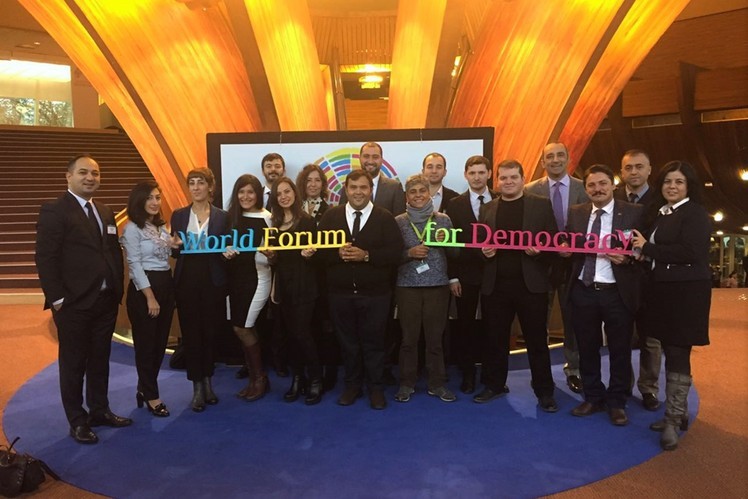
Boğaziçi European School of Politics (BASO) participates in the World Democracy Forum with its alumni as part of the Council of Europe Network of Schools of Political Studies. In this forum, innovative democratic ideas and practices are discussed to strengthen democratic societies and contribute to the development of participatory democracies. BASO also offers its graduates the opportunity to learn about important European issues such as sustainability, energy policies, migration and integration through activities such as the Germany Study Visit.
2. Digitools Project
Boğaziçi University is a partner in the Digitools Project, coordinated by the Governorship of Istanbul. This project focuses on improving the digital competencies of all stakeholders, especially teachers, in the process of digitalization in education with the Covid-19 pandemic. International cooperation is carried out through transnational project management meetings and training tools such as digital classroom, assessment and evaluation compass and mentor teacher guide are developed.
3. Go Zero Project
Boğaziçi University, together with Istanbul Provincial Directorate of Environment, Urbanization and Climate Change and European partners, is involved in the Go Zero Project. This project prepares waste management skills and training materials to promote a zero waste management culture in the food sector and develop vocational training curricula. Comparative reports have been prepared on best practices in waste management in Europe and project outputs include training curricula and e-learning platform.
4. COP28 and the Net Zero Emission Target
At the COP28 Climate Conference in Dubai, United Arab Emirates, Boğaziçi University and UN SDSN Turkey discussed the role of universities in achieving Turkey's Net Zero Emission Goal. In this session, the importance of education, research and implementation activities within the scope of the Sustainable Development Goals was emphasized, and assessments were made on sustainable campuses and communities.
5. 65+ Digital Inclusion Project
The “Digital Inclusion for 65+” Project, of which Boğaziçi University is a partner, has developed a sustainable dialogue between civil society organizations working with the elderly in Turkey and Greece. Within the scope of the project, digital literacy training programs for the elderly were prepared and 724 elderly people were trained. Awareness raising and advocacy activities were also organized.
Boğaziçi University continues to develop best practices through international cooperation and comparative research in line with the SDGs, and contributes to achieving global sustainability goals by sharing data from different disciplines.
2024 Sustainability Report SDG-17 (Related Section)
International Co-operation for SDG Best Practices
Boğaziçi University contributes to comparative approaches through international co-operation and research in line with the Sustainable Development Goals and takes an active role in the development of best international practices. Below are examples of these collaborations.
1. Boğaziçi European School of Politics (BASO)
Boğaziçi European School of Politics (BASO), as part of the Council of Europe Network of Schools of Political Studies, has been participating in the World Democracy Forumwith its alumni since 2014. The forum discusses innovative ideas and practices for strengthening democratic societies.
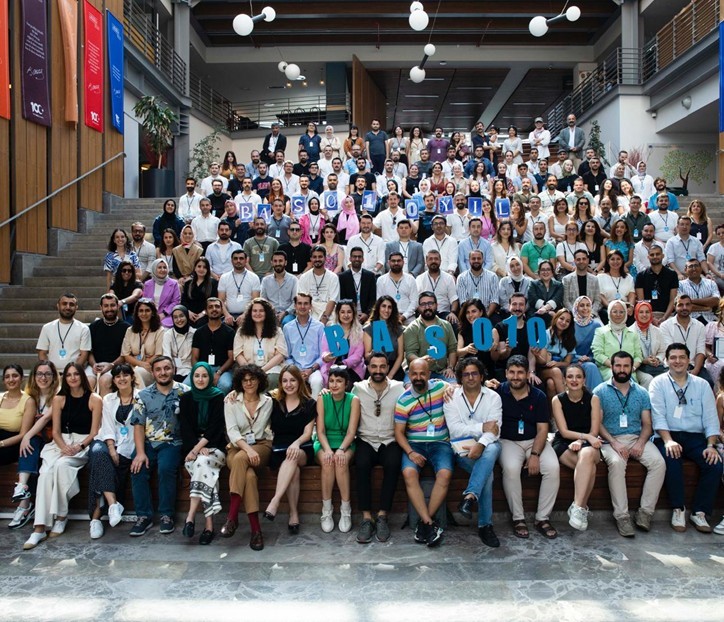
BASO offers its graduates the opportunity to observe European norms and institutions on site through its activities abroad and the Germany Study Visit organised since 2017. During these visits, ideas are exchanged on topics such as migration and integration, state organisation, energy policies and sustainability.
During the Study Visit to Germany, held between 14-19 October 2023, the alumni received information about nature conservation activities at the WWF Germany office; discussed energy policies and cooperation with Turkey with the German Energy Agency; and exchanged ideas with the German Ministry of Labour, which carries out projects for migrant women, and a non-governmental organisation in Berlin.
For more information please click here:
https://avrupasiyasetokulu.org/
2. Digitools Project
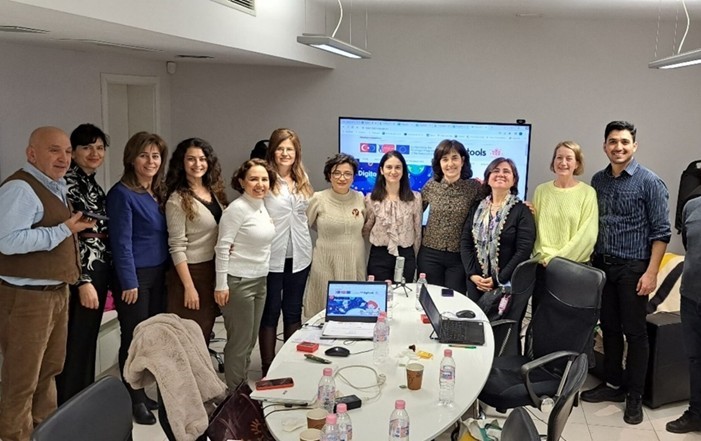
The Digitools Project, coordinated bythe Governorship of Istanbuland partnered by Boğaziçi University, aims to contribute to the digitalisation process in education, which has gained importance with the Covid-19 pandemic. The project aims to improve the digital competences of students, parents and administrators, especially teachers, and is supported by the European Commission through the Turkish National Agency.
During the transnational project management meeting held on 28 February
- 1 March 2023 in Sofia, Bulgaria, ‘My Digital Classroom’ and ‘Assessment and Evaluation Compass’ were evaluated and ‘Mentor Teacher Guide’ content design process was planned. In the next phase of the project, it was decided to realise these products by starting a pilot implementation process in partner countries.
For more information please click here:
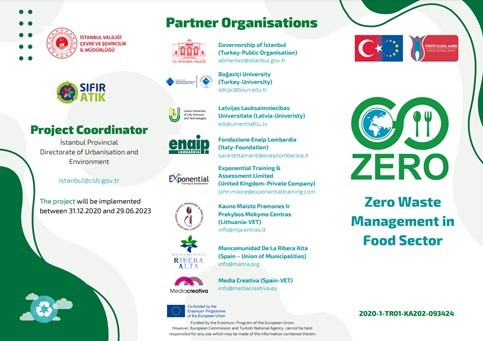
3. Go Zero - Zero Waste Management in the Food Sector Project
The ‘Zero Waste Management in the Food Sector’ project, coordinated byIstanbul Provincial Directorate of Environment, Urbanisation and Climate Changeand involving Boğaziçi University and 8 international partner institutions, is supported under the Erasmus+ Programme.
Project outputs include; Framework and Comparative Report on Waste Management Practices in Europe, Waste Management Skills and Training Curriculum in Food Sector, Waste Management in Food Sector Training Content, Enriched Training Material and E-Learning Platform, Industrial Symbiosis Guide, Recommendation Text on Waste Management in Food Sector.
The expected impacts of the project include; promotion of zero waste management culture in the food sector, development of vocational training curricula, gaining insights on practices and policies related to waste management in the food sector. With the international partners of the project, a comparative report on waste management practices is prepared and best practices are determined.
For more information please click here:
https://sdcpc.bogazici.edu.tr/tr/news-04.asp
4. COP28 and ‘UN SDSN Net Zero on Campus’ Movement
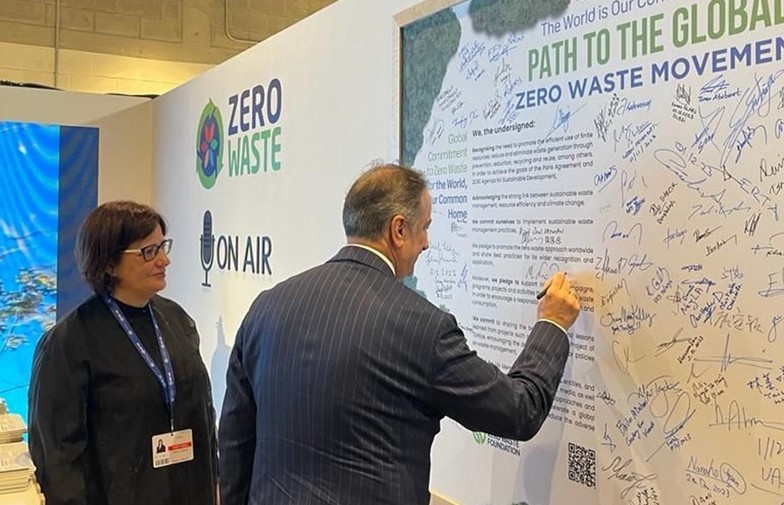
A session hosted by Boğaziçi University and UN SDSN Turkey was held at the Turkey Pavilion within the scope of the United Nations Climate Conference (COP28 ) held in the United Arab Emirates on 30 November-12 December 2023. In the session, the role of universities in achieving Turkey's ‘Net Zero Emission Target’ was discussed. In addition, the ‘UN SDSN Net Zero on Campus’ movement and the education, research and implementation activities carried out in line with sustainable campuses and net zero target in the countries in the region were evaluated.
Click here for more information:
https://unsdsn.bogazici.edu.tr/tr/cop-28-role-universities-decarbonization-net-zero
5. ‘ Digital Inclusion for 65+’ Project
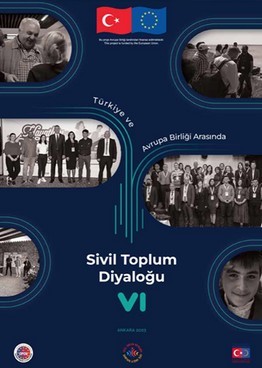
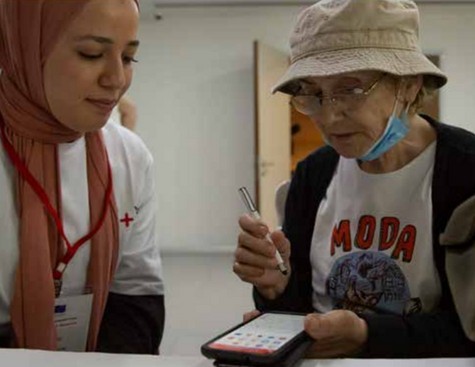
The project "Digital Inclusion for 65+ ’, in whichBoğaziçi University Computer Engineering Departmentis a partner, is part of the Civil Society Dialogue VI (2023) between Turkey and the European Union . The project developed a sustainable dialogue between NGOs working on elderly people in Turkey and Greece in order to contribute to improving the living conditions and standards of elderly people. This dialogue enabled the exchange of best practices among CSOs on issues related to the elderly. Within the scope of the project, a digital literacy training programme for the elderly in Turkish, Greek and English was prepared and 724 elderly people were trained in total. Awareness raising events and advocacy activities were organised in Istanbul and Athens.
Boğaziçi University makes significant contributions to the Sustainable Development Goals through international collaborations and innovative projects. These studies, which are carried out in different disciplines such as digitalisation, environmental sustainability and social inclusion, create an effective platform for the development and dissemination of best practices.
Click here for more information:
Partnerships for the goals
Strengthen the means of implementation and revitalise the Global Partnership for Sustainable Development.