7.2.4 Plan to reduce energy consumption
Boğaziçi University's Energy Consumption Reduction and Energy Efficiency Plan
Boğaziçi University implements a comprehensive energy efficiency plan to reduce energy consumption and achieve sustainability goals. Our university, which has ISO 50001 energy management certificate, creates energy efficiency action plans every year and effectively implements these plans. These action plans include various measures to monitor energy consumption, set energy saving targets and promote environmental sustainability.
Efficiency with Renewable Energy Sources and Artificial Intelligence
Boğaziçi University aims to make the most efficient use of renewable energy resources with artificial intelligence-supported optimisation algorithms. Carrying out joint studies with the Max Planck Institute in Germany, our university aims to maximise energy savings by making the most efficient use of natural resources. Read More

Boğaziçi University Energy Management System Policy
As Boğaziçi University, we adopt energy efficiency and sustainability as one of our fundamental principles at every stage of our education, research and social contribution activities. Responsible management of energy resources is an integral part of all processes carried out with environmental awareness. This policy aims to contribute to the transformation of our university in line with Turkey's 2053 net zero carbon target.
Our Energy Management System is structured within the framework of ISO 50001 standard and we are committed to adhere to the following principles:
1. Reducing Energy Consumption and Increasing Efficiency
We use energy efficient technologies in our university buildings and prevent unnecessary consumption. We constantly monitor technological and operational improvements that will increase energy efficiency.
2. Monitoring and Improving Energy Performance
Energy consumption is regularly measured and analysed and areas for improvement are identified. Our performance indicators (e.g. kWh/m², CO₂ emissions) play an active role in data-driven decision-making processes.
3. Disseminating Renewable Energy
We invest in environmentally friendly energy sources such as solar panels and heat pumps, and increase the use of renewable energy on our campus.
4. Energy Efficient Purchasing and System Design
We prioritise environmentally friendly products and services with high energy efficiency in procurement processes; we encourage system designs that will contribute to energy performance.
5. Awareness and Training
We organise trainings and awareness raising activities on energy efficiency for all our students, academicians and employees. Energy awareness is made a part of the corporate culture.
6. Compliance with Legal and International Standards
Full compliance with national and international regulations such as Energy Efficiency Law, Regulation on Energy Performance in Buildings, Paris Agreement and ISO 50001 is ensured. Mechanisms are created to respond quickly and effectively to changing requirements.
7. Corporate Structure and Continuous Development
Our Energy Management Team monitors the effectiveness of the system by ensuring coordination between units. The Energy Management System is regularly reviewed in integration with the strategic goals of our university and continuous improvement is taken as a basis.
This policy is an open commitment both to all units within the university and to the public. As the Boğaziçi University community, we are committed to these goals for a more livable campus and world.
Document No: EYP01 Publication Date: 24.06.2025 Revision No: 0
LED Conversion Project
Our university has initiated a comprehensive LED replacement process to modernise the lighting systems across the campus. With the use of LED technology, energy consumption is significantly reduced and environmental impact is minimised. LED conversion works were carried out in various buildings in the South, North, Uçaksavar, Kandilli, Anadolu Hisarı and Kilyos (Sarıtepe) campuses.
Electric Charging Stations and Electric Vehicle Conversion
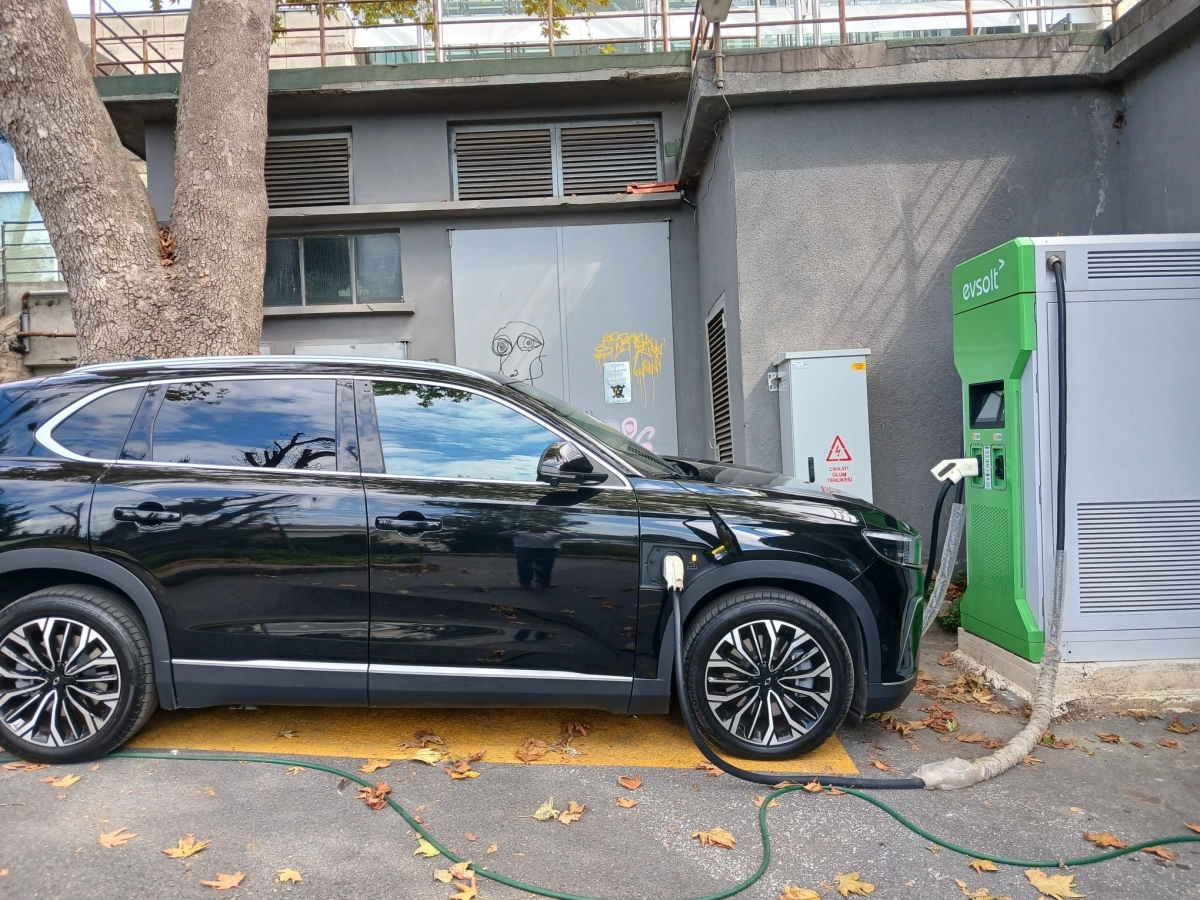
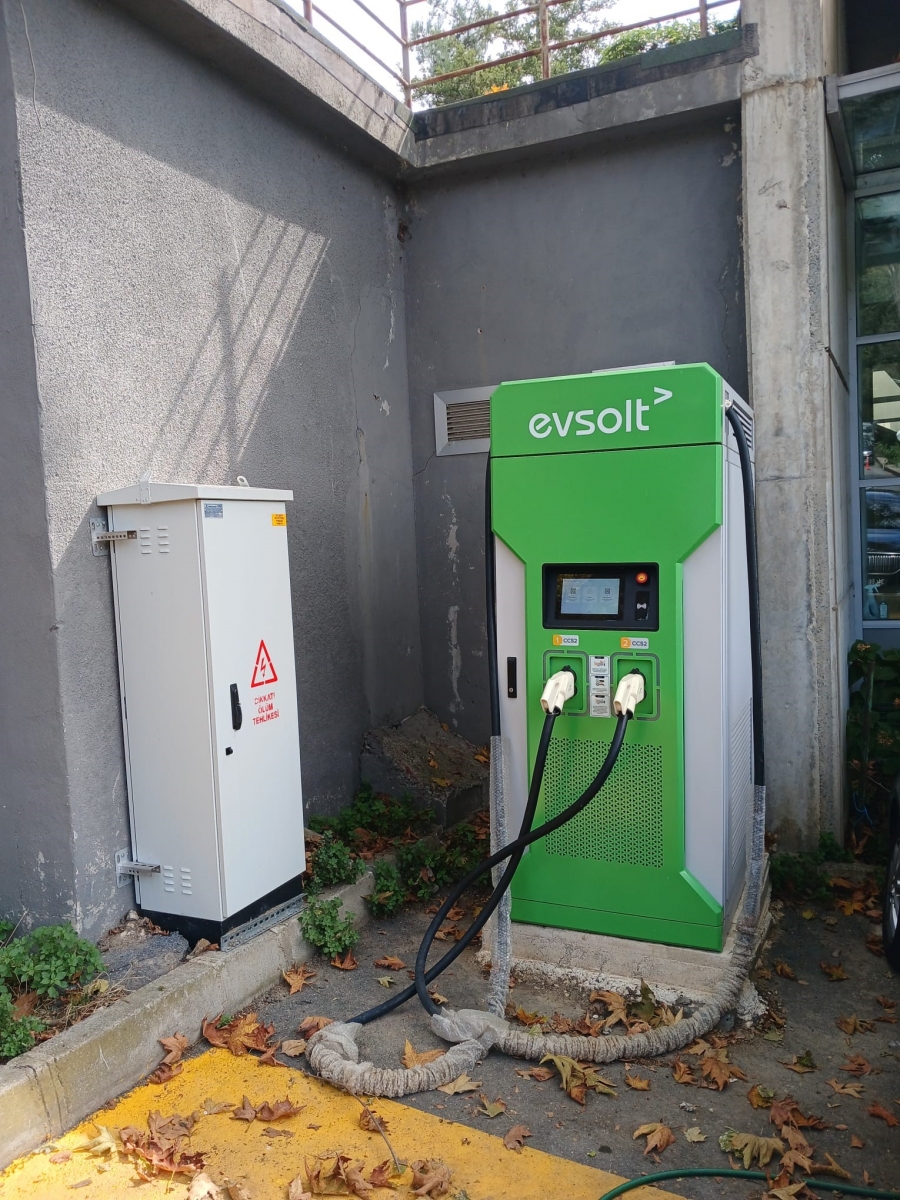
Boğaziçi University takes important steps in the transition to sustainable energy and encourages the use of electric vehicles by establishing electric charging stations throughout the campuses. Established in 2023 at South Campus and North Campus, electric charging stations contribute to the widespread use of environmentally friendly transport at our university.
South Campus Natural Gas Revision
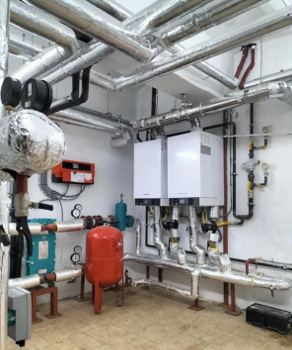
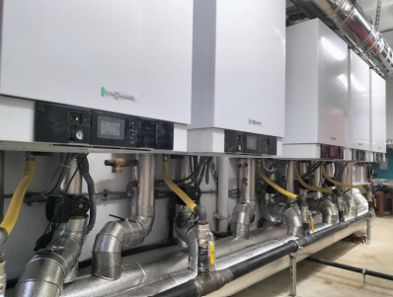
Energy efficiency is increased by renewing the boiler rooms and natural gas installations in the South Campus. Renovation works in 26 boiler rooms reduce energy costs and provide a more efficient heating system.
Carbon Negative Biorefinery Project
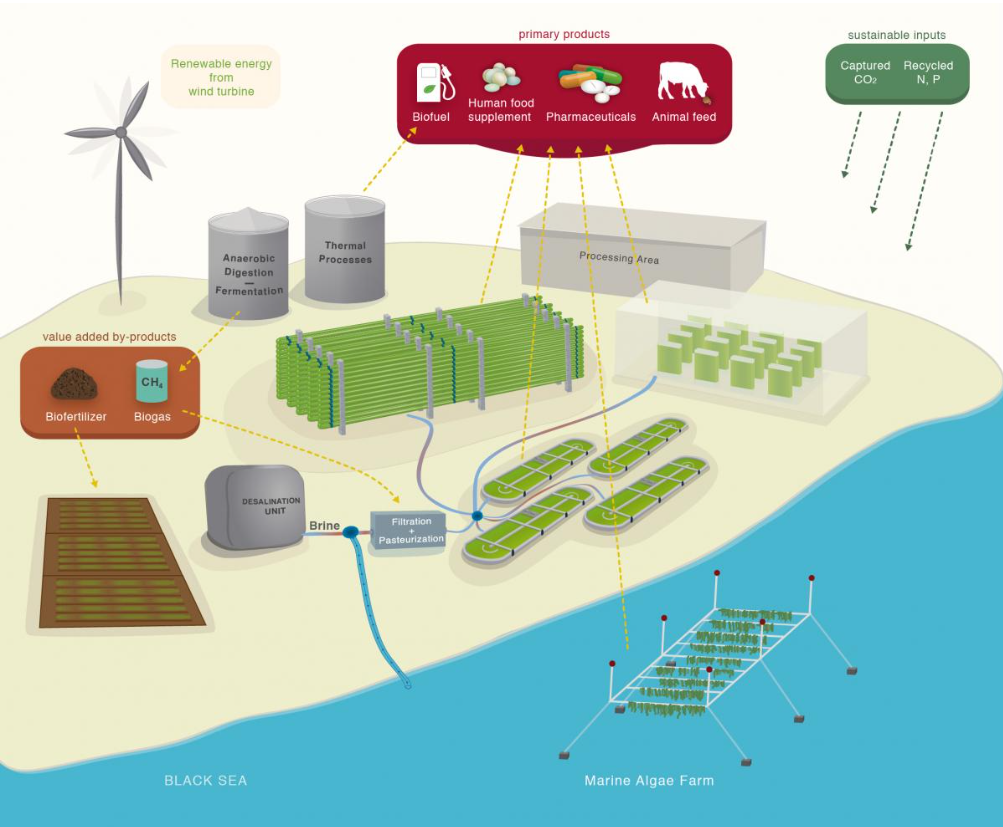
Boğaziçi University draws attention with the INDEPENDENT Project, the first carbon negative biorefinery in Turkey and Europe. Located on the Kilyos Sarıtepe Campus, this biorefinery has the capacity to capture and use approximately 1200 tonnes of carbon dioxide annually using microalgae technology. As part of the university's strategies to reduce energy consumption, this project develops sustainable solutions and minimises carbon emissions in many areas such as energy, health, agriculture and food.
Continuous Improvement and Collaborations for Energy Efficiency
Boğaziçi University carries out comprehensive studies and pioneers innovative projects across Turkey to increase energy efficiency. The projects developed by the BounEnergy Team of our university have a wide impact area with the energy efficiency improvement efforts of buildings in 81 cities of Turkey.
You can find more information about these projects and energy efficiency studies from the links below:
- BounEnergy Team Works
- A Comprehensive Study by Boğaziçi University for the Energy Efficiency of Buildings in 81 Cities of Turkey
- ISO 50001 Energy Management Certificate
- INDEPENDENT Project Introduction Video
- ‘From Europe to Anatolia’ Programme Broadcast on NTV
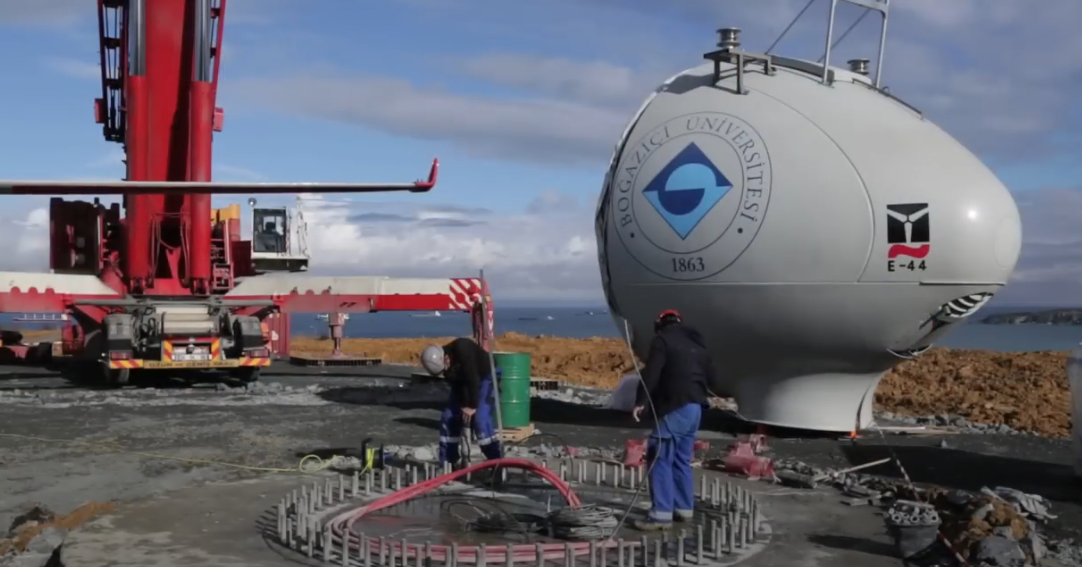
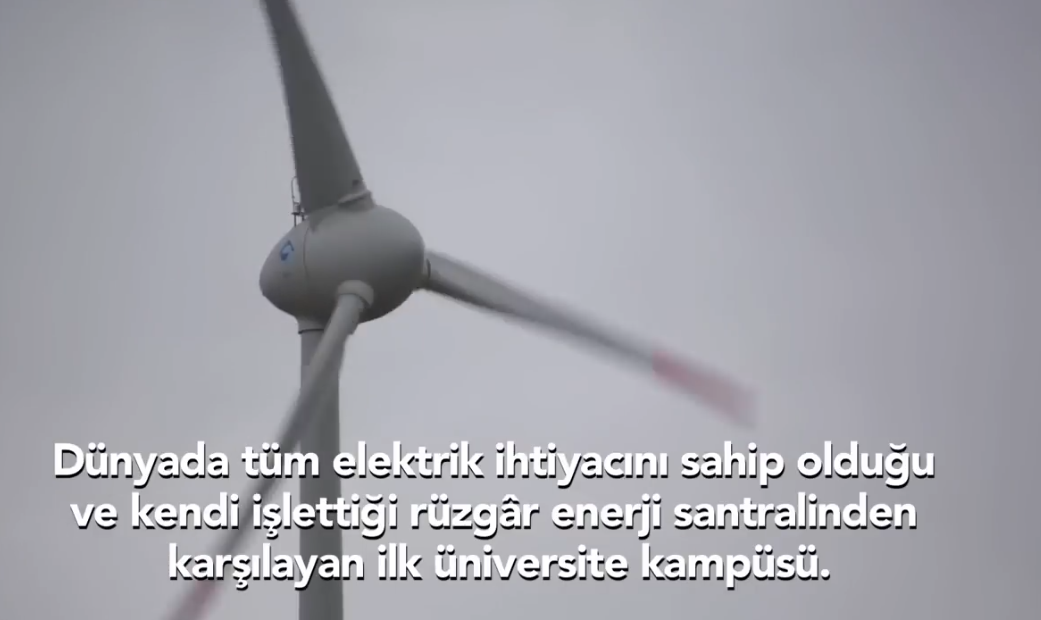
Through these energy efficiency projects, Boğaziçi University aims to reduce energy consumption, promote environmental sustainability and reduce energy costs. These steps reinforce our university's leadership in the field of sustainability and support an environmentally conscious campus life.
ENERGY EFFICIENCY CIRCULAR
Dear Stakeholders
Efficient use of energy resources is of great importance in terms of both environmental sustainability and economic savings. In this context, on the occasion of the Energy Efficiency Week, which is celebrated every year between 6-10 January, it is among our main goals to disseminate energy efficiency practices in all departments and units of our university and to take measures to reduce energy consumption. In this direction, the following measures have been determined to be considered and implemented by all academic staff, administrative staff, students, employees and all other stakeholders on our campuses:
Building Supervisors and Floor Attendants
- Prevent unnecessary consumption by controlling the lighting in unused areas (classrooms, meeting rooms, corridors).
- Regulate the working hours of electrical devices (air conditioners, heaters, etc.) and ensure that they are switched off.
- Water leaks and faulty taps must be reported to the maintenance unit immediately.
- It should encourage curtains to be open during daylight hours to maximise the benefit of natural light.
- Submit the necessary requests for the use of sensor lighting in corridors and toilets.
- It should ensure that doors are kept closed to prevent heat loss in winter.
- Suggestions should be made for the replacement of old type lighting and devices that consume excessive energy.
- Ensure that electrical equipment used during cleaning (vacuum cleaner, etc.) is operated in energy saving mode or below the required power.
- Glass and windows should be cleaned regularly and sunlight should be utilised more effectively.
- In case of overloading of electrical panels, the relevant technical team should be informed.
- Unnecessary change of thermostat settings in common areas should be prevented.
- Care should be taken not to leave windows and doors open in accordance with weather conditions.
Maintenance and Repair Personnel and Technical Team
- Periodically inspect the energy consumption systems in the facilities.
- Responsibility should be taken for the replacement and timely maintenance of low efficiency devices.
- Timely detection and repair of faults that may cause excessive energy consumption should be ensured.
- Regularly check the thermal insulation of buildings and leakage controls of windows.
- Manage central heating and cooling systems by prioritising energy saving.
- Implement an effective plan to eliminate dripping and leaks in the water installation.
Laboratory Personnel
- Prevent unnecessary energy consumption by unplugging devices that are not used in laboratories.
- Energy-intensive devices (coolers, microscopes, centrifuge devices, etc.) should be switched off after use to contribute to savings.
- Periodic maintenance and calibration of the devices should be done to ensure more efficient operation.
- Energy-saving methods should be preferred for storing chemical and biological materials.
- Energy loss should be prevented by not operating laboratory heating, cooling and ventilation systems unnecessarily.
- Attention should be paid to energy efficiency labels on the equipment used.
Academic Staff
- In classrooms and laboratories, computers and projectors should be switched off when not in use.
- Applications that prioritise energy efficiency in research projects should be preferred.
- Participation in information meetings on energy saving should be ensured.
- In small and large meetings, energy consumption should be reduced by preferring natural light and ventilation.
- Energy-saving light bulbs should be used in offices and sensitivity should be shown to switch off unnecessary lights.
- Paper consumption should be reduced by sharing course materials and notes in digital environment.
Students
- Contribute to energy saving by switching off unnecessary lights and devices in classrooms between lessons.
- Paper consumption should be minimised by using digital resources.
- Participation in trainings and events organised on energy efficiency across the campus should be encouraged.
- Awareness of saving in the use of electricity and water in dormitories should be acted upon.
- In individual use, care should be taken not to leave devices such as phones and laptops plugged in unnecessarily.
Dormitory Managers and Staff
- Inform students about electricity and water consumption in dormitory rooms.
- Energy consumption of common areas should be monitored regularly.
- Initiatives should be taken to convert lighting to LED systems.
Drivers and Transport Staff
- Motor vehicles should be regularly maintained and unnecessary fuel consumption should be prevented.
- Make the necessary arrangements to encourage the use of public transport.
- Driving techniques that will save energy in vehicles should be applied.
- Route planning should be made to save fuel.
- Unnecessary idling of vehicles should be prevented.
Guests
- Information signs and warnings about energy saving should be followed on campus.
- In common areas, energy efficiency should be complied with.
General Awareness and Follow-up Mechanism
- Annual trainings on energy efficiency will be organised for all stakeholders.
- Campus-wide energy consumption data will be shared periodically and development targets will be determined.
- The monitoring and evaluation committee will collect the energy consumption reports of each unit and analyse the overall situation.
We kindly ask all our stakeholders to comply with these rules and expect them to contribute to raising awareness on this issue on the occasion of the Energy Efficiency Week on 6-10 January. We remind that we can contribute to a more sustainable future by using energy effectively.
Sincerely,
BOUNENERGY TEAM
Affordable and clean energy
Ensure access to affordable, reliable, sustainable and modern energy for all.